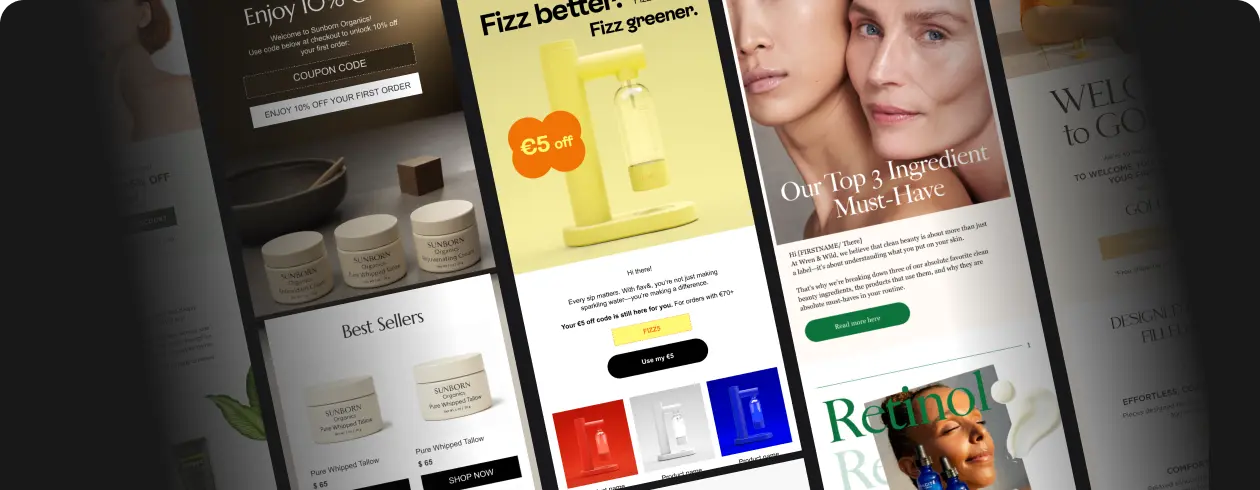
Welcome Flow Emails: Why They Work and 9 Examples That Actually Convert
If there’s one email automation I insist every brand must build before anything else, it’s a welcome email flow.
Not abandoned cart.
Not post-purchase.
Not win-back.
A properly built welcome email flow consistently generates the highest open rates, strongest engagement, and fastest revenue impact in an email program.
Recent benchmarks from Klaviyo, Omnisend, and Campaign Monitor (2025–2026 reports) show something interesting:
- welcome flow emails generate 3–5x more clicks than regular campaigns
- welcome email flows can drive up to 20% of total email revenue for e-commerce brands
- the average open rate of welcome flow emails exceeds 50%
Why does this happen?
Because the timing is perfect.
A new subscriber just discovered your brand.
They’re curious.
They’re paying attention.
That moment is your biggest opportunity.
So, don’t just say “Thanks for subscribing.”, use this chance to connect.
In this guide, I’ll show:
- why welcome flow emails work so well
- how brands structure them in 2026
- 9 real welcome flow email examples worth learning from
- practical recommendations we use when building welcome flows for clients
Why Welcome Flow Emails Work So Well
There are several psychological and technical reasons why welcome flow emails outperform almost every other automation.
Let’s break them down.
1. Perfect Timing and Subscriber Intent
The biggest reason welcome flow emails work is simple: timing.
A subscriber just gave you their email address.
That means:
- they just discovered your brand
- they’re curious about your products
- they’re expecting communication
Email platforms also treat this interaction as a high-intent signal, which positively affects early email deliverability and engagement scoring.
When the first email arrives within minutes, open rates often exceed 60–70%.
This is something regular campaigns rarely achieve.
Looking to improve your deliverability? Check this article.
2. Welcome Flow Emails Set Brand Expectations
A good welcome flow email does more than say hello.
It explains:
- what subscribers will receive
- how often you send emails
- what makes your brand unique
- why your products matter
This reduces future unsubscribes and spam complaints.
From a deliverability perspective, this is critical.
Subscribers who understand what they signed up for are far more likely to engage with future emails.
3. Welcome Flow Emails Build Early Trust
Trust is one of the strongest conversion drivers in e-commerce.
When someone joins your list, they are still evaluating:
- Is this brand legitimate?
- Are the products worth it?
- Should I buy now or keep browsing?
A well-structured welcome flow email answers those questions quickly.
It can include:
- brand story
- customer reviews
- product education
- social proof
Instead of pushing an immediate sale, the goal is to build confidence first.
4. They Create the First Purchase Moment
Many brands think welcome flow emails are just informational.
In reality, welcome email campaigns often generate the first sale.
According to Omnisend’s 2025 automation report, welcome flows have the highest conversion rate of any automated email sequence.
This happens because the subscriber is still exploring the brand.
A small nudge — like a welcome discount or product recommendation — can easily convert curiosity into a purchase.
Pro Tip: The biggest mistake I see brands make with welcome flow is delaying the first message. If the first email arrives even an hour later, engagement drops significantly. Trigger your welcome flow email immediately after signup while the subscriber still remembers why they joined.
How Modern Welcome Flows Are Structured
In 2026, most successful brands use 3–5 emails in their welcome email flow.
A common structure looks like this:
| Purpose | |
| Email 1 | Welcome + brand introduction |
| Email 2 | Brand story and differentiation |
| Email 3 | Product discovery |
| Email 4 | Social proof and reviews |
| Email 5 | Conversion push or offer reminder |
Not every brand needs five emails.
But a single email is almost always a missed opportunity.
Pro Tip: Don’t try to sell everything in the first email. High-performing welcome flows gradually introduce the brand. The first message should focus on the relationship, while later emails guide subscribers toward products and offers.
9 Welcome Flow Email Examples That Convert
Below are nine welcome flow email examples worth studying.
I’ll explain why each example works and what strategy is behind it.
1. The Simple Welcome Email
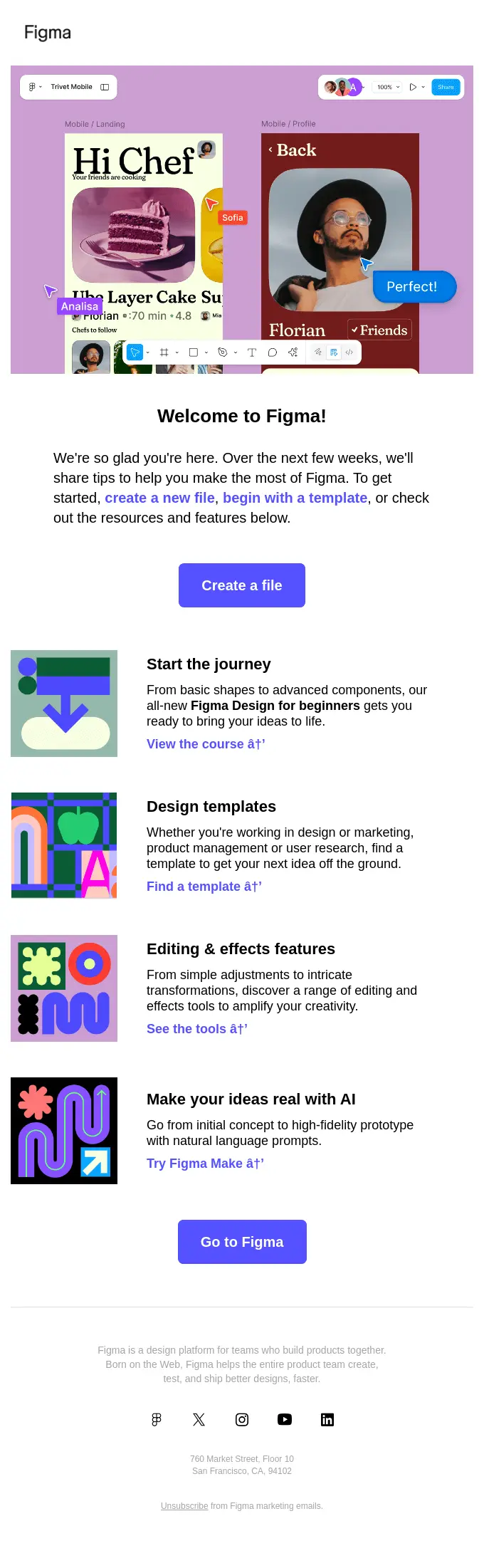
This is the most common type of welcome flow email.
It usually includes:
- a friendly greeting
- short brand introduction
- quick overview of products
- a CTA to browse the store
Why this works:
Simple welcome flow emails remove friction. The subscriber doesn’t need to read a long message. They quickly understand what the brand sells and where to explore next.
When designed well, this type of welcome flow email works especially well for fashion, beauty, and lifestyle brands.
2. The Welcome Discount Email
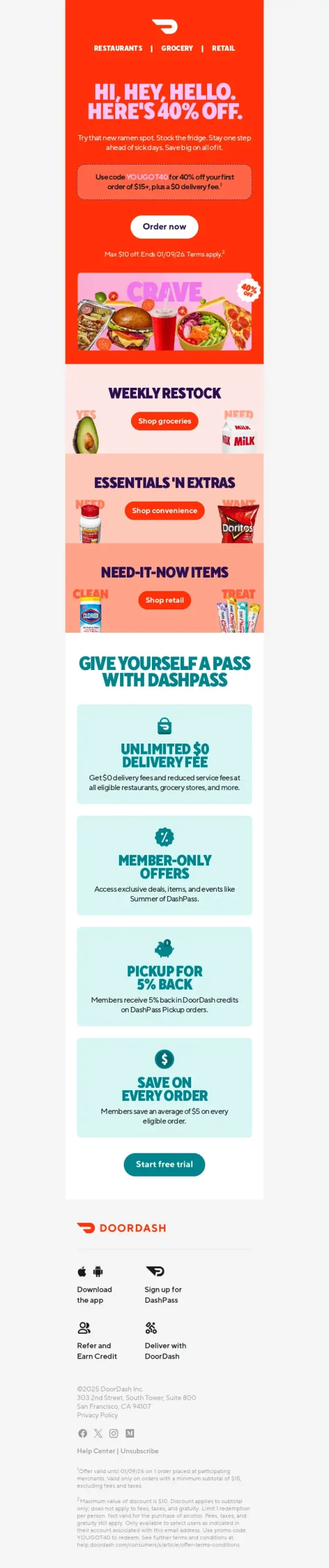
This version offers an incentive for first-time buyers.
Typical structure:
- welcome message
- discount code
- expiration timer
- product suggestions
Why it converts:
Subscribers already showed interest by joining the list. A small incentive reduces the barrier to the first purchase.
According to benchmarks, welcome discounts can increase first-purchase conversion by 10–20% when combined with product recommendations.
3. The Brand Story Welcome Email

This email focuses on storytelling rather than selling.
It often includes:
- founder message
- mission or values
- behind-the-scenes content
- brand journey
Why it works:
Story-driven welcome emails are extremely effective for brands with strong identity.
Examples include:
- sustainable brands
- niche product companies
- founder-led businesses
The goal is emotional connection rather than immediate conversion.
4. The Product Education Email

Some brands sell products that require explanation.
Examples include:
- skincare
- supplements
- tech products
- specialty equipment
In these cases, welcome emails focus on education first.
The email might explain:
- how the product works
- why it’s different
- how customers use it
Education removes hesitation and prepares subscribers for future purchases.
5. The Social Proof Welcome Email

Trust is critical for first-time buyers.
This type of welcome flow email highlights:
- customer reviews
- testimonials
- user-generated content
- ratings
Why it works:
People trust other customers more than marketing messages.
Including social proof early in the welcome email accelerates decision-making.
6. The Product Discovery Email

Instead of focusing on one product, this email introduces multiple product categories.
It may include:
- bestselling products
- category highlights
- collections
- product quizzes
This approach works well for stores with large catalogs.
It helps new subscribers quickly understand the brand’s product range.
7. The Community Welcome Email
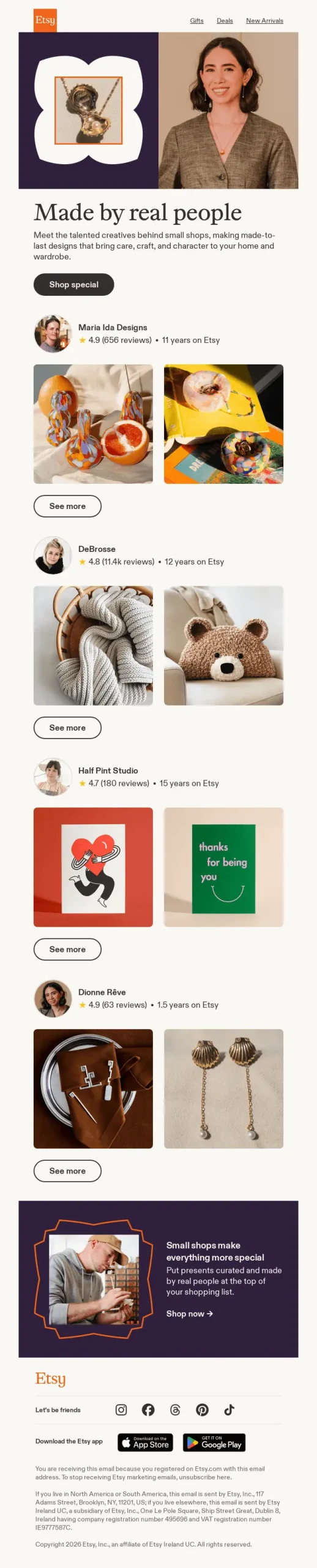
Some brands build strong communities around their products.
Instead of pushing sales immediately, the welcome email focuses on:
- community values
- social media channels
- user stories
- brand culture
This strategy is common among:
- fitness brands
- outdoor brands
- lifestyle communities
The goal is belonging, not immediate revenue.
8. The Founder Letter Email
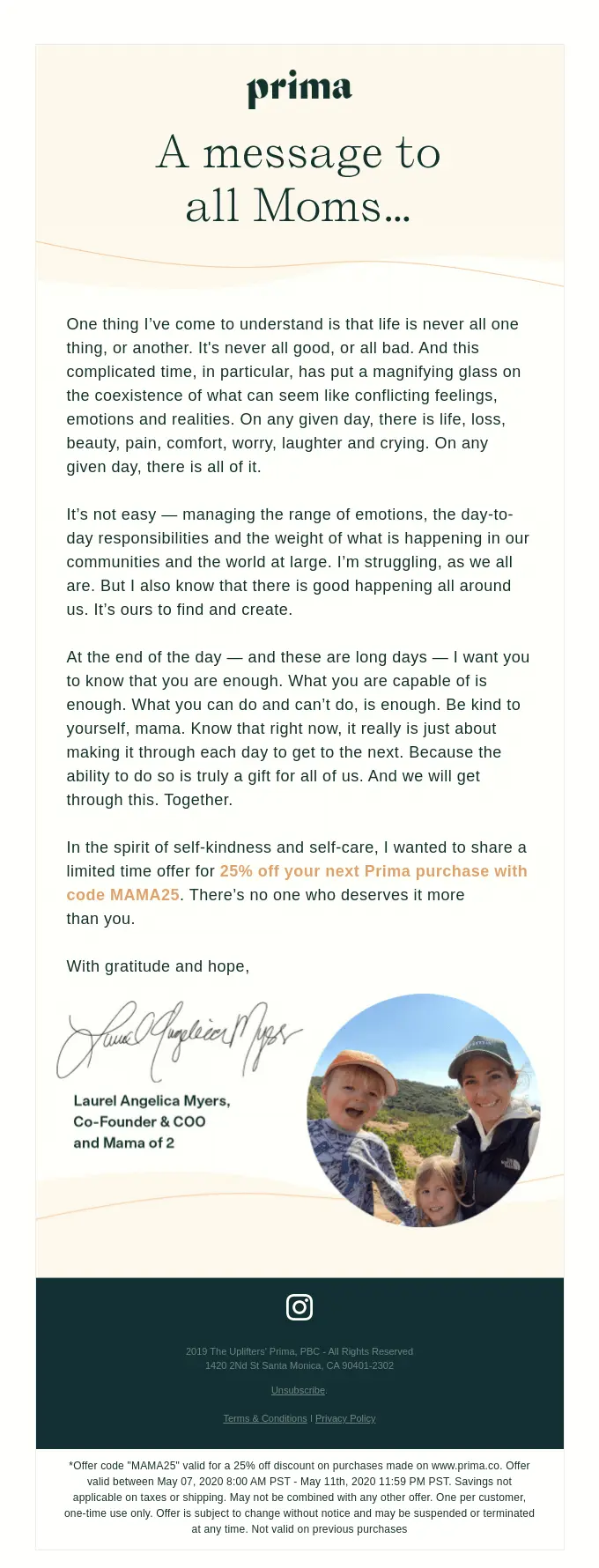
This email looks like a personal message from the founder.
It usually contains:
- a personal story
- brand origin
- motivation behind the product
Founder letters humanize the brand.
In smaller or mission-driven businesses, this type of welcome email often generates very strong engagement.
9. The Guided Shopping Email
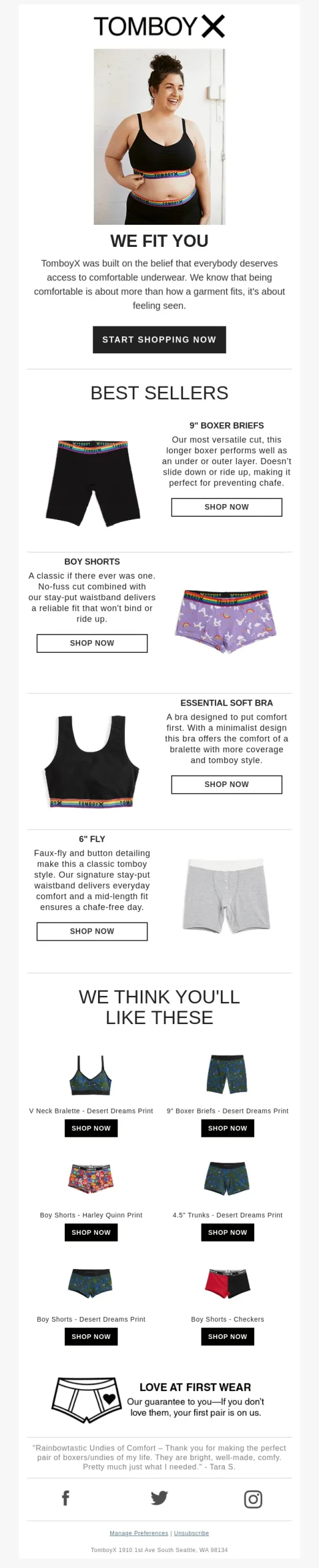
Instead of a traditional email, this message helps subscribers choose products.
Examples include:
- product finder quizzes
- curated collections
- “start here” product lists
Guided discovery is particularly effective when the product selection is overwhelming.
It simplifies the buying process.
Best Practices for High-Converting Welcome Email Campaigns
Based on our experience building welcome flows for e-commerce brands, several practices consistently improve performance.
Send the First Email Immediately
Timing matters.
The first welcome email should be triggered within minutes of signup.
This captures the moment when the subscriber is still thinking about your brand.
Use Multiple Emails
A single email rarely tells the full story.
A sequence allows you to combine:
- brand storytelling
- product discovery
- social proof
- conversion offers
This builds a stronger relationship.
Personalize Early
Modern email platforms allow dynamic content inside welcome flow emails.
You can personalize based on:
- signup source
- browsing behavior
- location
- product interest
Even simple personalization significantly improves engagement.
Add Product Recommendations
Dynamic product blocks work extremely well in welcome flow emails.
Subscribers often click these because they are still exploring the store.
Product recommendations also increase the chance of early revenue.
How Many Emails Should a Welcome Flow Have?
Most brands see the best results with 3–5 emails.
Here’s a common structure:
- Welcome and brand introduction
- Brand story or product education
- Product discovery
- Social proof
- Conversion reminder
However, the exact structure depends on:
- product complexity
- purchase cycle
- brand positioning
Pro Tip: Segment new subscribers from day one. Even simple segmentation — such as signup source, product interest, or location — allows welcome emails to deliver more relevant content and significantly improve early engagement.
Need more tips on segmentation? Check out our related article.
Final Thoughts
A strong welcome flow email does much more than greet new subscribers.
It introduces the brand, builds trust, explains the product, and often drives the first purchase.
When done correctly, welcome flow becomes one of the highest-performing automations in an entire email marketing program.
If your welcome flow consists of only one generic email, you’re likely leaving a significant amount of revenue on the table. My team can analyze and prepare recommendations to improve your welcome flow. Request a FREE audit here.
FAQ:
What is a welcome flow?
A welcome flow is an automated email sequence sent immediately after someone subscribes to your mailing list. Its goal is to introduce the brand, build trust, and guide new subscribers toward their first purchase.
Unlike regular newsletters, welcome emails are triggered automatically and usually include several emails that gradually introduce products, brand values, and customer benefits.
How many emails should a welcome flow include?
Most successful welcome flows include between three and five emails.
This structure allows brands to introduce themselves step-by-step instead of overwhelming the subscriber in a single message.
A typical structure looks like this:
- Welcome and brand introduction
- Brand story or mission
- Product discovery or recommendations
- Social proof and reviews
- Reminder or first-purchase incentive
Shorter campaigns can work, but multi-email sequences usually generate higher engagement and revenue.
What is the average open rate for welcome flow?
According to Klaviyo and Omnisend benchmarks from 2025–2026, welcome emails typically achieve open rates between 50% and 70%, which is significantly higher than regular marketing emails.
This happens because the subscriber has just signed up and expects communication, making the first emails especially relevant.
High open rates are one of the reasons why welcome flow often generates some of the strongest engagement in an email program.
Should welcome flow include a discount?
Not every welcome flow needs a discount, but incentives can help accelerate the first purchase.
Many ecommerce brands include:
- a first-order discount
- free shipping
- a limited-time offer
However, some brands perform better with story-driven welcome flow emails that focus on brand identity, product education, and customer trust rather than immediate promotions.
The best approach depends on your brand positioning and customer journey.
When should the first welcome email be sent?
The first email in a welcome email should be sent immediately after subscription, usually within a few minutes.
This timing is critical because the subscriber is still thinking about the brand and expects confirmation that their signup worked.
Delaying the first email often leads to lower engagement and missed opportunities.
Can welcome emails generate revenue?
Yes — and often more than marketers expect.
Industry reports show that welcome flow emails can generate up to 20% of total email revenue for ecommerce brands, especially when they include product recommendations, social proof, and well-timed offers.
Because they reach subscribers at the moment of highest interest, welcome flow frequently outperform many other automated email campaigns.