RCS Marketing Explained: What It Is, How It Works, and Why It Matters
As messaging continues to evolve, brands are no longer limited to plain-text communication. One of the most important shifts I’ve seen in mobile messaging is the rise of RCS marketing — a channel that bridges the gap between traditional SMS and app-like experiences.
In this guide, I’ll explain what RCS marketing is, how it works, and why it matters, especially for brands that rely on direct, high-engagement customer communication. This article is designed to give you both strategic clarity and practical insight — without fluff.
What Is RCS Marketing?
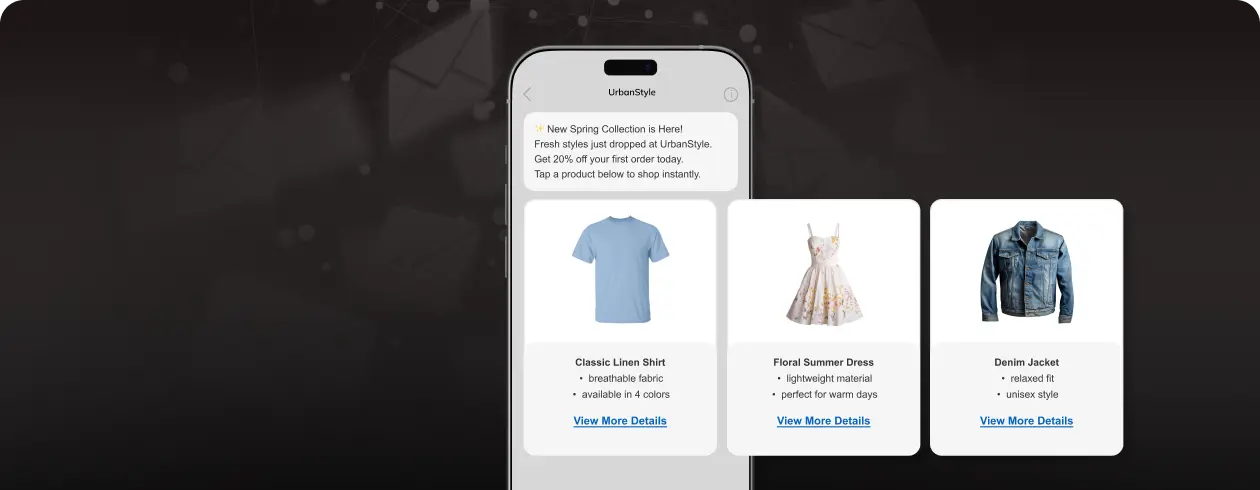
RCS marketing stands for Rich Communication Services marketing. It’s a next-generation messaging channel that enhances traditional text messaging with rich, interactive, and branded experiences — all delivered directly inside the user’s native messaging app.
With RCS marketing, brands can send:
- High-resolution images and videos
- Interactive carousels and rich cards
- Action buttons and suggested replies
- Verified brand names and logos
- Read receipts and engagement indicators
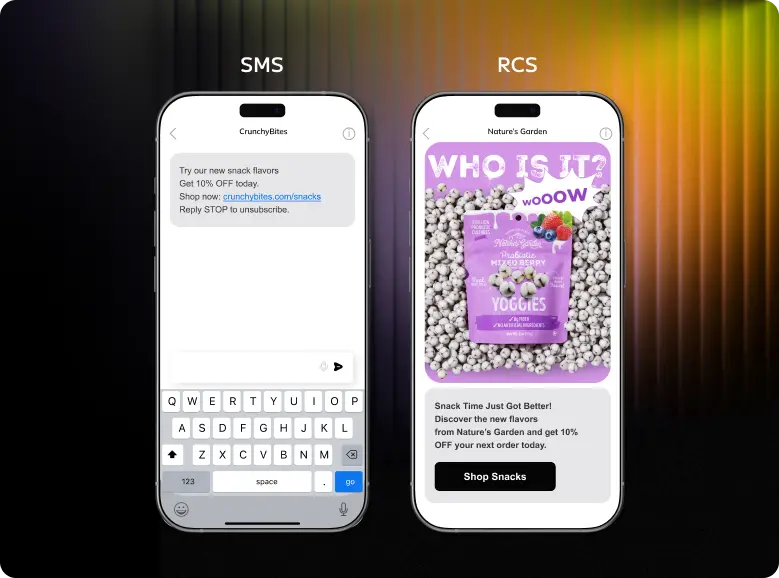
Unlike SMS or MMS, RCS marketing feels conversational and dynamic rather than static.
How RCS Marketing Works
The Technology Behind RCS Marketing
RCS marketing works over mobile data or Wi-Fi using the RCS Universal Profile, which standardizes features across carriers and devices.
When a brand sends an RCS message:
- The message is delivered via IP rather than legacy SMS routes
- The user receives it inside their default messaging app
- If the device or carrier doesn’t support RCS, the message automatically falls back to SMS
This ensures reliability while still enabling rich functionality wherever possible.
RCS Marketing vs SMS vs MMS — Key Differences
To understand why RCS marketing matters, it’s important to compare it with legacy channels.
Comparison Table
| Feature | RCS Marketing | SMS | MMS |
| Message type | Rich, interactive | Plain text | Multimedia |
| Media support | Images, videos, carousels | None | Limited |
| Buttons & actions | Yes | Limited interaction | Limited interaction |
| Suggested replies | Yes | No | No |
| Branded sender | Verified logo & name | No | No |
| Read receipts | Yes | No | No |
| Analytics depth | High | Very limited | Limited |
| Native inbox | Yes | Yes | Yes |
| Fallback support | Auto fallback to SMS | N/A | N/A |
| Best use cases | Engagement, commerce, support | Alerts, OTPs | Basic media updates |
Why RCS Marketing Outperforms MMS
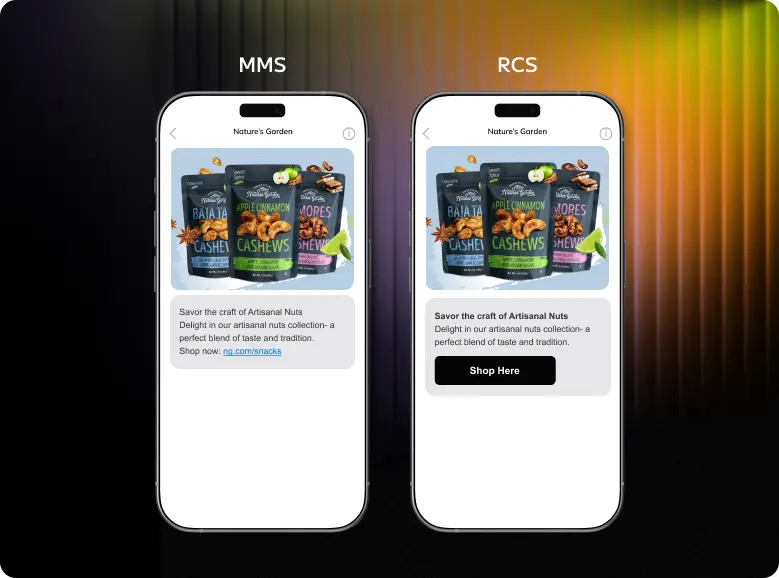
MMS was once considered an upgrade to SMS, but in reality, it only solved part of the problem. While MMS allows images or GIFs, it remains a static, one-way format.
RCS marketing goes far beyond that.
MMS messages don’t support buttons, suggested replies, or real user interaction. Once the message is opened, the experience ends. RCS marketing, however, enables users to take action directly inside the conversation — browsing, confirming, clicking, or replying without friction.
Branding is another major difference. MMS doesn’t support verified brand profiles, which makes messages feel generic and less trustworthy. RCS marketing clearly shows the brand name and logo, increasing confidence and reducing hesitation.
Analytics are also limited with MMS. You can rarely see more than delivery confirmation. With RCS marketing, brands gain insight into reads, interactions, and clicks — making optimization and ROI tracking far more effective.
Why RCS Marketing Matters
RCS marketing isn’t just a technical upgrade — it directly impacts engagement and performance.
Industry data shows:
- RCS adoption has increased rapidly due to expanded carrier and platform support
- RCS messages consistently outperform SMS in engagement and interaction
- Brands using RCS marketing report stronger click-through and action rates due to in-message CTAs
This makes RCS marketing especially relevant for brands focused on high-intent, mobile-first audiences.
Key Benefits of RCS Marketing
Rich, App-Like Experiences
RCS marketing enables immersive messaging without forcing users to download an app or leave the inbox.
Stronger Brand Trust
Verified sender profiles and visual branding reduce skepticism and improve message credibility.
Real Interactivity
Buttons, replies, and conversational flows turn messaging into an experience — not a broadcast.
Better Insights
With RCS marketing, engagement is measurable, making it easier to refine campaigns and prove value.
Common RCS Marketing Use Cases
Promotional Campaigns
Launch new products or offers using rich visuals and instant CTAs.
Abandoned Cart Recovery
Show products in a carousel and let users return to checkout with one tap.
Customer Support & Updates
Enable two-way conversations, order tracking, and service flows directly in messages.
How to Get Started with RCS Marketing
Choose an RCS-Enabled Provider
Work with a provider that supports Universal Profile and SMS fallback.
Define Clear Goals
RCS marketing performs best when tied to specific user actions.
Design for Interaction
Use buttons, cards, and suggested replies intentionally.
Test Across Devices
Always test fallback behavior and analytics tracking.
Metrics to Track in RCS Marketing
Key metrics include:
- Read rate
- Interaction rate
- Button clicks
- Conversion actions
- Drop-off points
These insights help optimize both content and flows.
Common Mistakes to Avoid
Treating RCS Like SMS
Plain text wastes the channel’s potential.
Overloading Messages
Too many options can overwhelm users.
Ignoring Fallback Logic
Always plan for non-RCS devices.
Final Thoughts
RCS marketing represents the future of mobile messaging. It combines the reach of SMS with the engagement of modern chat experiences — all without leaving the inbox.
For brands that want richer conversations, clearer insights, and stronger mobile engagement, RCS marketing isn’t optional anymore — it’s strategic.
FAQ
What is RCS marketing?
RCS marketing is a rich, interactive messaging channel that enhances SMS with media, branding, and actions.
How is RCS different from SMS and MMS?
RCS supports interactivity, branding, and analytics that SMS and MMS lack.
Do users need an app for RCS?
No. Messages appear in the native messaging app.
Does RCS replace SMS?
No. RCS marketing works best alongside SMS with fallback support.
Is RCS marketing scalable?
Yes, when implemented with proper infrastructure and strategy.